Full Mouth Dental Implants South Africa for Personalized Treatment
Full Mouth Dental Implants South Africa for Personalized Treatment
Blog Article
Acquire a Full Set of Dental Implants: Enhance Your Smile Today
Dental implants constitute a substantial innovation in restorative dentistry. They furnish a secure, enduring solution for those seeking to improve their appearance. By mimicking the structural design of teeth, these implants furnish both charm and useful benefits. However, the process calls for deliberate evaluation and familiarity with personal needs. What elements should one evaluate before pursuing this option? Investigating the information can elucidate the potential advantages and roadblocks in your future.

The Advantages of Comprehensive Dental Implants
Complete dental implants offer many benefits for individuals looking for a permanent answer to tooth loss. They offer a natural appearance and function, nearly mimicking real teeth, which enhances self-esteem and improves aesthetics. Unlike removable dentures, full dental implants are securely anchored in the jawbone, eliminating issues with slippage or pain during eating or speaking.
Moreover, these restorations assist in safeguarding jawbone wellness. When teeth are absent, the jawbone can decline over time; full dental implants promote bone growth, maintaining facial structure. Furthermore, they require no special treatment routines beyond regular oral hygiene, ensuring ease for daily care.
Patients frequently report enhanced lifestyle quality, as full dental implants enable them to savor a diverse range of foods without limitations. The extended lifespan of implants also makes them a cost-effective option over time, reducing the need for frequent replacements or repairs associated with other tooth replacement methods.
What Are Tooth Implants and How Do They Work?
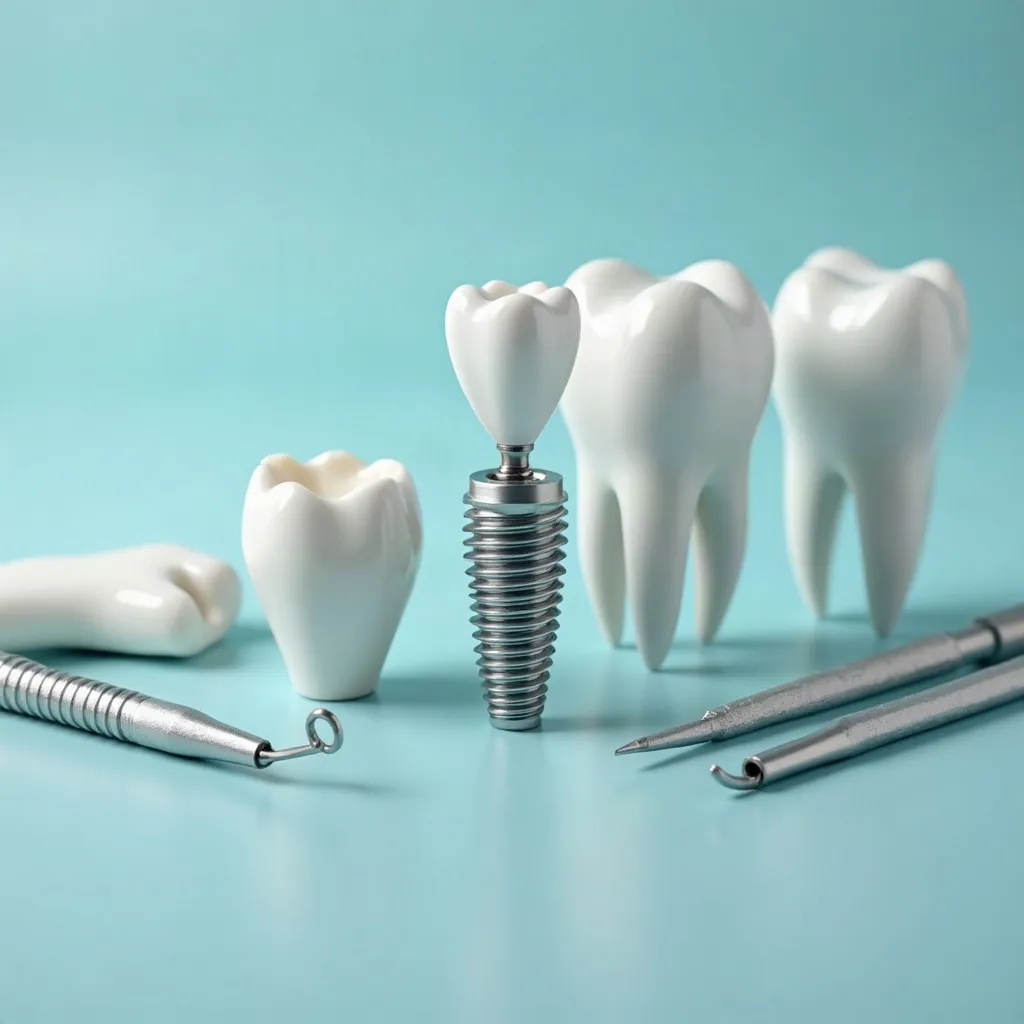
Dental implants are innovative solutions designed to replace missing teeth, providing a permanent and effective alternative to traditional dentures or bridges. These implants are made up of a titanium post that is surgically inserted into the jawbone, serving as a strong foundation for the new tooth. The process starts with the integration of the implant into the bone, a process referred to as osseointegration, which typically takes several months. Once healed, a bespoke crown is attached to the post, providing a natural appearance and function.
Dental implants improve appearance and boost oral health by stopping bone deterioration, which can occur when teeth are absent. They enable people to enjoy find here normal eating and speaking without the discomfort associated with removable dentures. Overall, dental implants represent a major breakthrough in dental technology, offering a dependable option for those looking to restore their smile and self-assurance.
What is necessary in getting Dental Implants?
The process of getting dental implants involves several important stages created to ensure a positive outcome. Initially, a thorough consultation with a dental specialist is essential. This evaluation involves evaluating oral health, capturing X-rays, and going over the patient's medical history to assess suitability for the procedure.
After being considered suitable, a treatment plan is created, specifying the necessary steps and timeline. The next phase generally includes the surgical insertion of the implant, which is a titanium post embedded in the jawbone to serve as a root for the substitute tooth. After surgery, a recuperation time is required, allowing the implant to integrate with the bone.
Following adequate healing, an support post is installed, followed by the placement of a custom-made crown that matches the patient's natural teeth. Throughout this process, frequent dental appointments guarantee that everything is moving forward as intended, establishing the foundation for a successful dental restoration.
Aftercare Tips for Your Dental Implants
Proper aftercare is necessary for the lasting and success of dental implants. Patients should adhere to their dentist’s post-operative instructions closely. Initially, ensuring oral hygiene is essential; gentle brushing and rinsing with a prescribed antibacterial mouthwash can aid in preventing infection. It is advisable to avoid hard or sticky foods for the first few weeks, opting for softer options instead.
Regular dental examinations are essential to track the implants and surrounding tissues. Patients should also be alert to any indicators of discomfort or abnormal alterations, such as swelling or blood loss, and communicate these to their dentist immediately. Additionally, stopping tobacco use can greatly enhance healing and reduce complications.
Remaining properly hydrated and preserving a balanced diet supports overall health, further benefiting the implant process. By following these aftercare tips, people can raise the likelihood of successful integration and long-term gratification with their dental implants.
How to Determine if Full Dental Implants Are Suitable for You?
Are you thinking about whether full dental implants are the right choice? People evaluating this alternative should evaluate multiple important considerations. First, they must assess their oral health; adequate bone structure and healthy gums are essential for effective implant placement. Speaking with a dental professional can offer insights into whether one's tooth anatomy is suitable for implants.
In addition, recipients should consider carefully their personal habits and long-term dental goals. Entire dental implants furnish persistence and a genuine appearance, making them suitable for those pursuing a permanent solution. Economic factors are also vital; while implants can be expensive, they may offer greater value over time compared with other restorative options.
Finally, individual tastes regarding upkeep and appearance are quite important. By considering these elements, people can determine the best choice about whether complete dental implants align with their requirements and goals for a restored smile.
Regularly Asked Questions
How Extended a Period Can You Count On Dental Implants to Persist?
Dental implants typically last between 10 to 15 years, with many staying significantly more durable based on factors such as dental maintenance, the person's health, and the quality of the implant operation. Regular dental check-ups are essential for longevity.
Do Dental Implants Have Insurance Coverage?
Dental implants typically aren't completely covered by insurance. Reimbursement varies according to the policy, with several policies providing some benefits for the treatment, while others could exclude it in full. It's important to verify your insurance specifics.
Are Dental Implants Accessible to Anyone?
Not all individuals qualify for dental implants. Variables like bone density, overall health, and oral hygiene are critical in determining eligibility. A comprehensive evaluation by a dentist is vital for assessment.
What Cost Should You Anticipate for Full Dental Implants?
The price of complete dental implants usually varies from $20,000 to $40,000, depending on various factors such as location, materials used, and individual needs. Patients should consult dental professionals for precise estimates adapted to their circumstances.
Are Tooth Replacements Indistinguishable From Natural Teeth?
Dental implants regularly act like natural teeth for most individuals. They are meant to fuse with the jawbone, sustaining stability and comfort. Many users report a high level of approval with their functional and aesthetic qualities.
Report this page